Applications

Experiences built
on real science

Each application is developed from primary research data in close collaboration with subject-matter experts — targeting the specific threshold concepts that most challenge students in the life sciences.

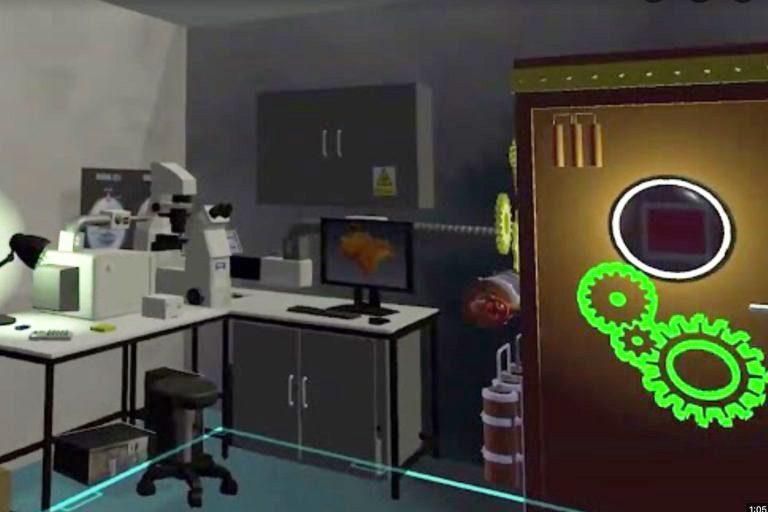
Cell: The Genesis — VR escape room screenshot

Cell: The Genesis

Cell: The Genesis is an immersive VR escape room in which players must navigate the biochemical pathway of glycolysis to escape from inside a cell. The game transforms an abstract — and frequently misunderstood — metabolic process into a series of spatial, hands-on challenges.

Developed with funding from The Physiological Society and in collaboration with STEM Scotland, it is designed for undergraduate life science curricula and is available free on Itch.io.

The escape-room format creates genuine stakes, promotes collaborative problem-solving, and reinforces learning through repeated interaction rather than passive observation.
Play on Itch.io
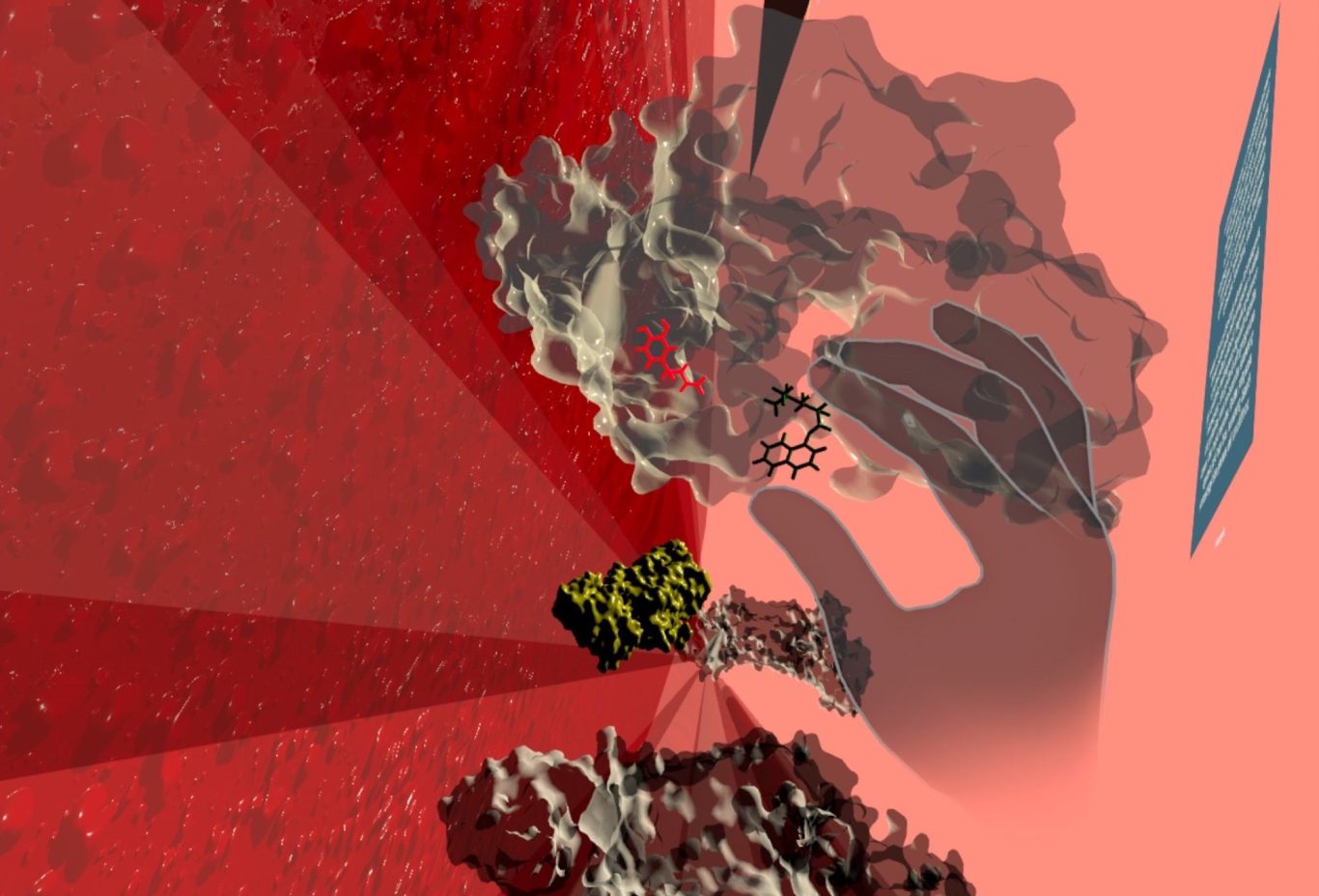
MyoSITE: Anxiety — molecular visualisation

MyoSITE: Anxiety

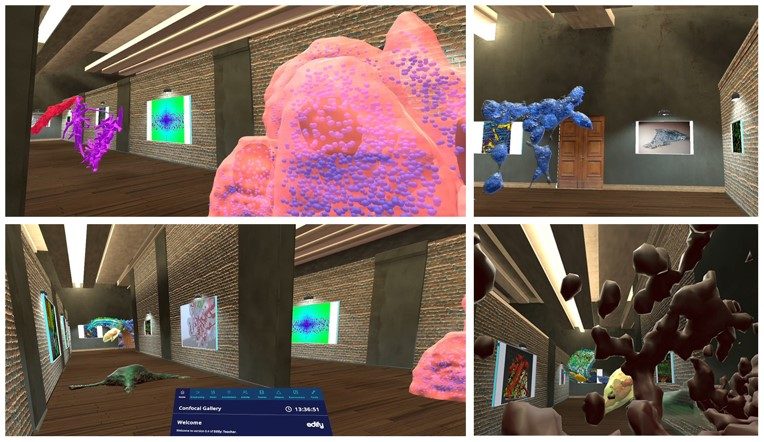
MyoSITE: Anxiety explores cardiac physiology through the lens of the physiological anxiety response. Using the device camera, microscopy-based cellular models are overlaid on the user's physical environment — making the normally invisible processes of the heart visible and interactive.

Users engage with cardiomyocyte models derived from real confocal microscopy data, learning how cellular-level changes in the heart underpin the whole-body stress response.

An XR application designed to run on a headset, delivering a fully immersive experience.

MitoMover — mitochondrial network VR

MitoMover

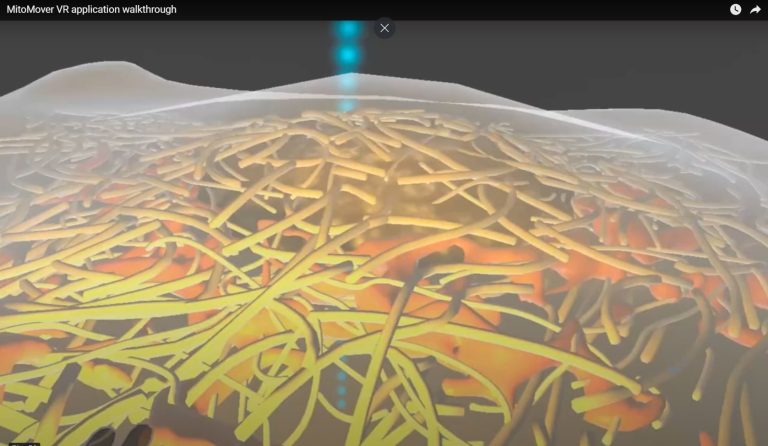
MitoMover is a VR game built around mitochondrial biology. Players interact directly with the fission and fusion mechanics of mitochondria — the dynamic processes by which these organelles divide and merge in response to cellular energy demands.

Mitochondrial dynamics are a topic students frequently encounter but rarely understand with spatial intuition. MitoMover addresses this by placing learners inside the process — manipulating organelle morphology in real time and observing the downstream effects on cellular energy production.

The game format promotes repeated engagement and builds a mechanistic mental model that textbook descriptions alone cannot provide.

Need something bespoke?

We build custom XR applications around your research data and curriculum objectives. If you have a dataset, a learning problem, or both — get in touch.

Start a conversation